"Cat6A" is on a lot of boxes that are really just fattened Cat6. Without crosstalk control and a real test report, that cord will not hold 10G. Here is how to tell the compliant article from the pretend one.
Where the hype comes from
Vendors relabel thick Cat6 as "Cat6A" and lean on the bigger jacket to imply 10G. The cable may pass at short length in a quiet room — then fails alien crosstalk the moment it sits in a real bundle next to 47 other cords. The label lied; the physics didn't.
What real Cat6A actually shows
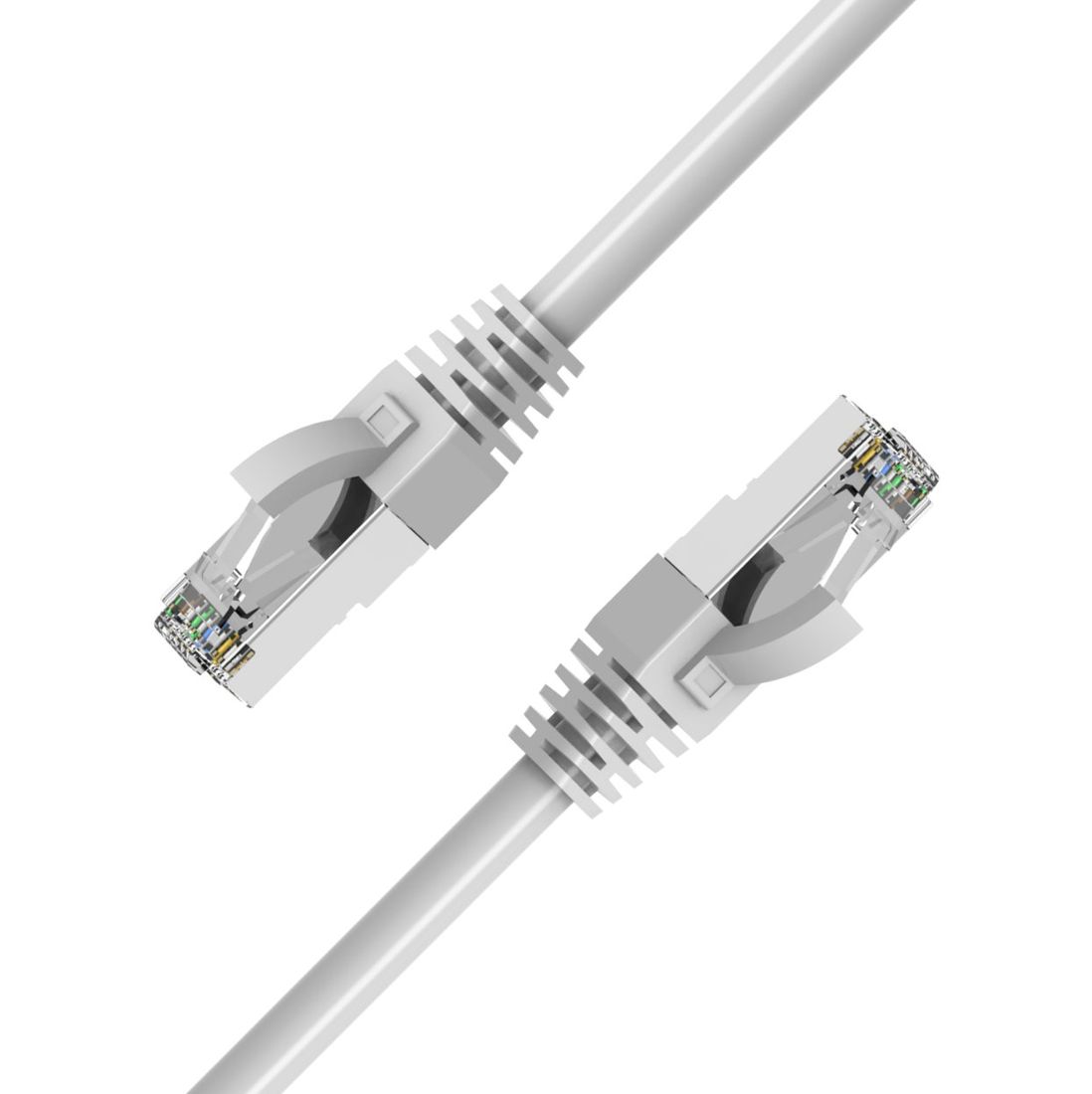
- 500 MHz bandwidth and a verified 10GBASE-T link to 100 m.
- Alien crosstalk (ANEXT/AFEXT) controlled — measured, not assumed.
- A permanent-link or channel test report (Fluke-class) showing margin, not just a claim.
Shielded or splined
Real 10G controls crosstalk one of two ways: shielding — U/FTP (foil per pair) or S/FTP (braid + foil per pair) — or a physical spline that separates the pairs. Both work; which you pick depends on the site (see our shielding guide). What does not work is "thicker Cat6 with no spline and no shield."
The marks prove it
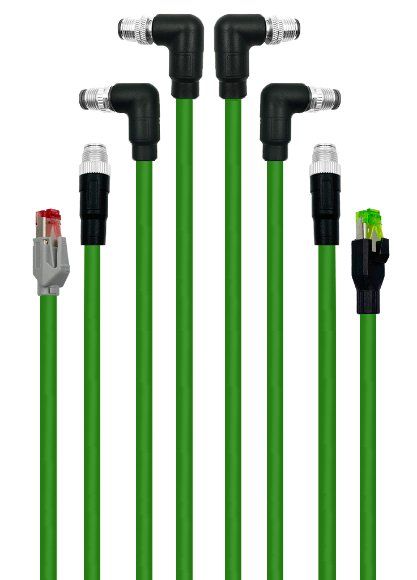
A compliant cord carries the right certification marks — UL, CE, CPR for the EU — and ships with documentation you can hand to an inspector. No test report, no proof. A credible supplier publishes the marks and stands behind the measurement.
How to buy without the trap
- Ask for the permanent-link / channel test report, not a spec sheet.
- Check for shielding or a spline in the construction.
- Verify the UL / CE / CPR marks and the certifying body.
- Specify from a real Cat6A series — e.g. Cat6A S/FTP or Cat6A multi-angle.