The letters before and after the slash on a cable — U/UTP, F/UTP, U/FTP, S/FTP — decide whether your link survives next to a motor drive or collapses in a bundle of 48 other cords. Here is what each one actually does.
Why shielding exists
Two enemies kill a copper link: external EMI (motors, VFDs, fluorescent ballasts, radio) and alien crosstalk — signal leaking between neighbouring cords in a dense bundle. At 10 Gb and above, unshielded cords start failing not because the wire is bad, but because the neighbour is too loud. Shielding is how you quiet both.
Reading the notation
The first letter is the outer shield, the second is the per-pair shield: U = unshielded, F = foil, S = braid. So S/FTP is braid outside + foil on every pair — the most isolated you can buy.
| Code | Outer | Per pair | Best for |
|---|---|---|---|
| U/UTP | none | none | Quiet offices, cost-first runs, short patches |
| F/UTP | foil | none | Moderate noise, legacy retrofit with standard RJ45 |
| U/FTP | none | foil | Data centers killing alien crosstalk, no outer bulk |
| S/FTP | braid | foil | Harshest EMI, 25G/40G links, industrial sites |
The grounding reality
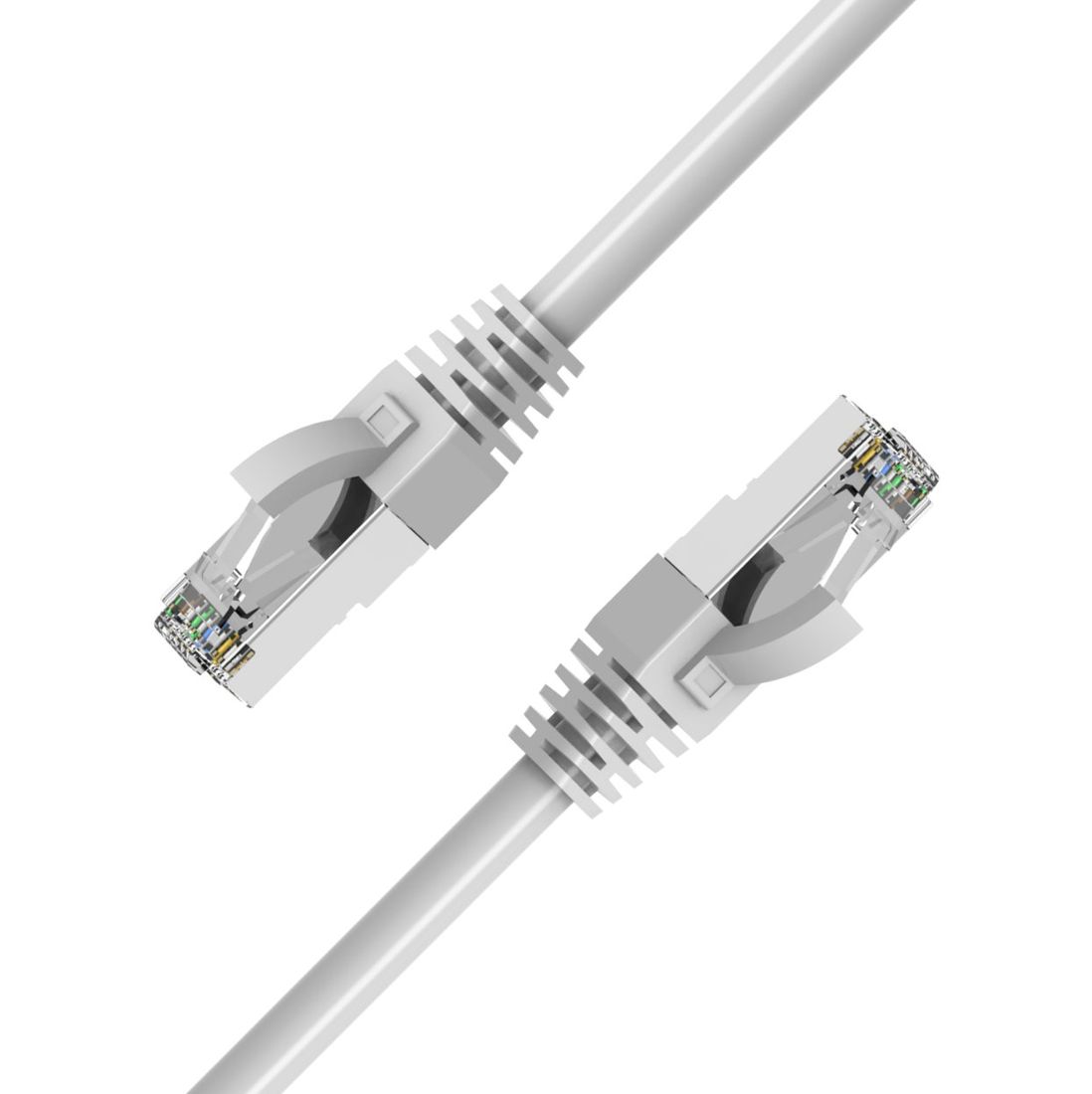
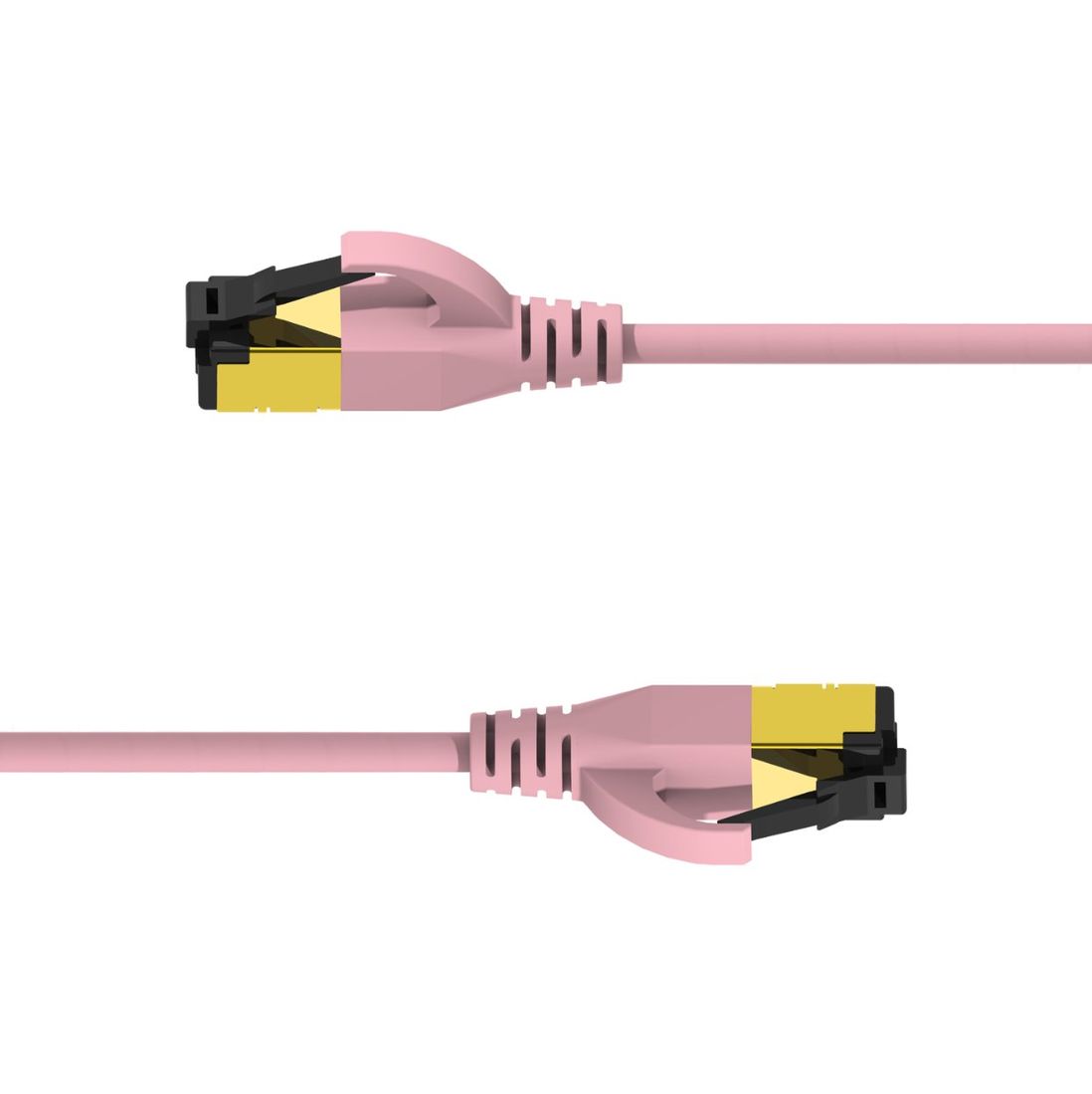
A shielded cord only helps if the whole path is shielded and grounded — shielded patch panel, grounded rack, continuous shield to the jack. A shielded cord landing on an unshielded panel just becomes an antenna. U/UTP has no such obligation, which is why it stays simplest to install in clean environments.
How to choose by environment
- Open office / clean IDF: U/UTP is enough and cheapest to terminate.
- Retrofit near machinery: F/UTP adds a foil wrap without changing your RJ45 world.
- 10G+ data center bundle: U/FTP kills alien crosstalk with minimal diameter.
- Factory floor / 25G-40G: S/FTP gives braid + per-pair foil for the noisiest sites.