"Is our patch cord UL 444 compliant?" — the honest answer is usually no, and that is fine. Bulk communications cable and patch cords are certified under different UL standards, and mixing them up leads to the wrong mark on the label.
The split
- UL 444 — "Communications Cables." Covers bulk, fixed-installation cable (riser/plenum/General Purpose CM/CMR/CMP). Think the spool you pull through walls and trays.
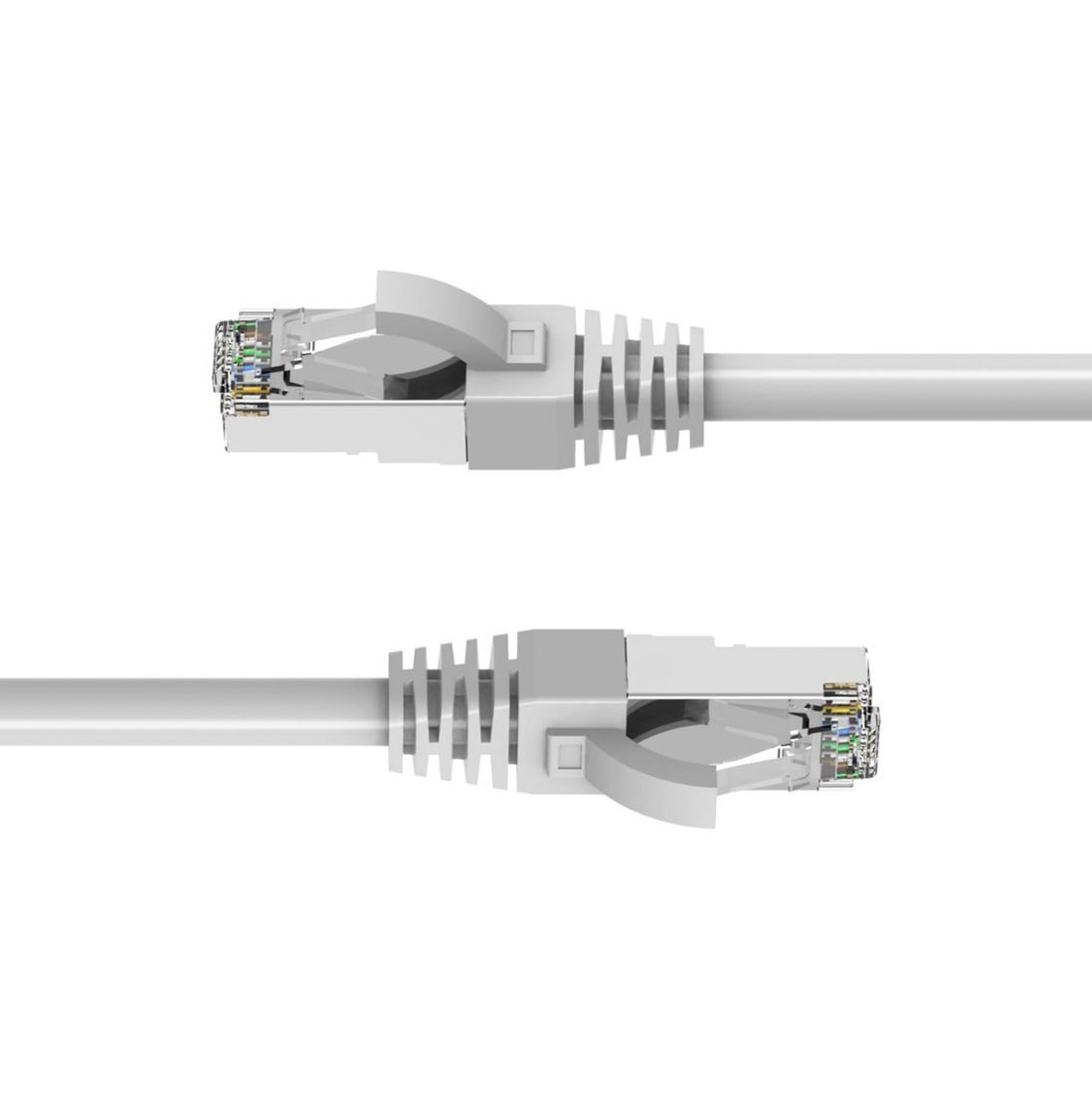
- UL 758 (AWM) — "Appliance Wiring Material." Patch cords and component-style cords are certified here, via a Style Page that defines conductor, insulation and rating.
Conductor size is the tell
UL 444 sets a hard floor: the smallest conductor it certifies is 26 AWG (≈0.405 mm solid). Anything thinner — 28, 30, 32, 34 AWG — is below that floor and is simply outside UL 444's scope. That is exactly the range patch cords live in, which is why they go to UL 758 AWM instead.
| Standard | What it covers | Min conductor | Mark on product |
|---|---|---|---|
| UL 444 | Bulk comms cable (CM/CMR/CMP) | 26 AWG | UL Listed CM / CMR / CMP |
| UL 758 AWM | Patch cords & component wire | down to ~34+ AWG | UL AWM Style xxxx (e.g. 80°C 30V) |
What the AWM Style actually defines
Under UL 758, the Style Page pins down the construction: conductor size, insulation material and thickness, temperature and voltage rating. Common patch-cord styles include 20267, 20268, 20942 and others. For example, a 34 AWG HDPE-insulated cord typically uses a nominal ~0.20 mm insulation (min average ~0.16 mm) — the precise figure is locked by the chosen Style, not by a generic table.
Practical takeaway
- Selling bulk cable? Target UL 444 with CM/CMR/CMP and 26 AWG or larger.
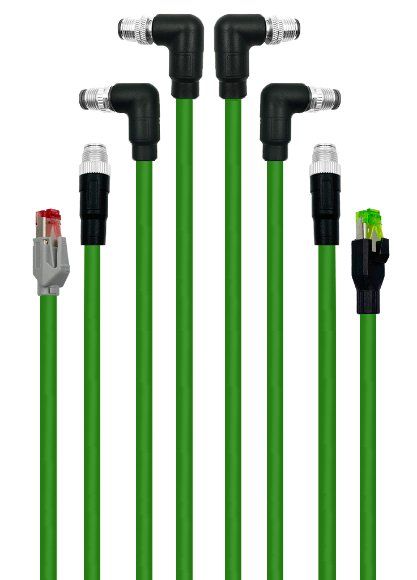
- Selling patch cords (28–34 AWG)? Target UL 758 AWM with the correct Style Page.
- If a customer "requires UL 444," confirm they mean the installed copper cable, not the patch leads — those are different products under different standards.