A cord that is fine in an office dies fast on a factory floor. Industrial grade is not a marketing word — it is shielding, strain relief, jacket chemistry and temperature range working together. Here is what actually survives.
The threats
- EMI: motors, VFDs and welders blanket a site in noise — only shielding helps.
- Mechanical stress: continuous flex, pulls and tight bends break pairs at the mold.
- Temperature & moisture: wide ambient ranges and condensation need the right jacket.
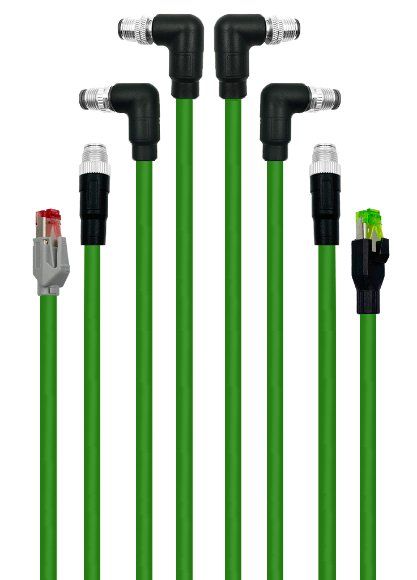
What makes a cord industrial
| Feature | Why it matters | Acelink example |
|---|---|---|
| S/FTP shielding | Braid + foil rejects motor/VFD noise | CAT.7 S/FTP 26AWG |
| Anti-bending plug | Guards the mold against flex & strain | Industrial CAT.7 |
| LSZH jacket | Low smoke, no halogens if it burns | CAT.7 U/FTP |
| F/UTP for retrofit | Foil wrap in noisy legacy sites | CAT.5E F/UTP |
Where each Acelink cord fits
- Automation / machinery: Industrial CAT.7 S/FTP 26AWG — anti-bending plug + full shield.
- Surveillance / medical: CAT.7 FlatPro U/FTP routes flat in tight conduits.
- High-noise data: CAT.7 U/FTP 32AWG keeps pairs isolated, slim for space.
- Noisy legacy runs: CAT.5E F/UTP adds a foil wrap to an existing topology.
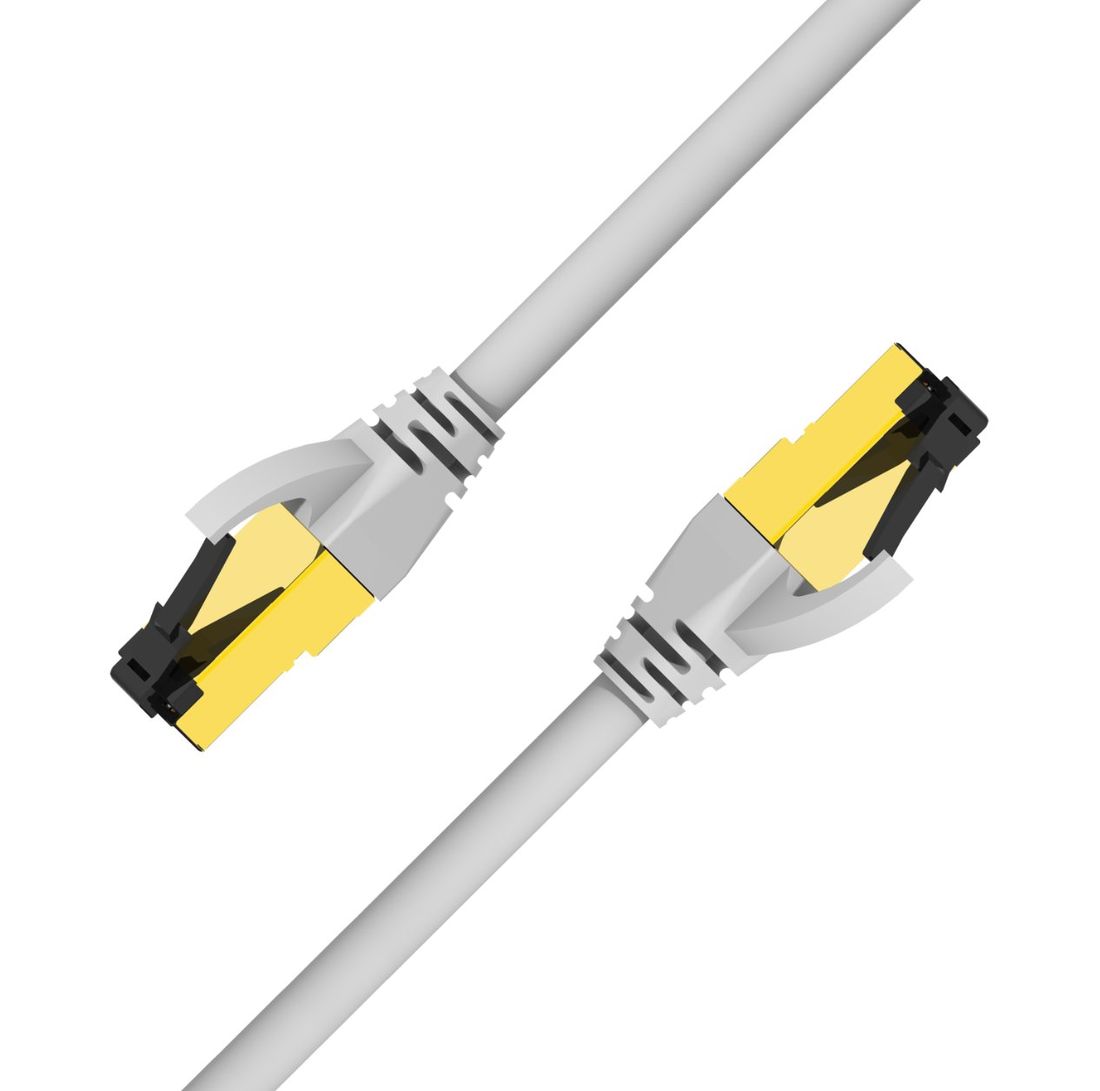
Shield the path, not just the cord: an industrial S/FTP cord still needs a grounded panel and rack to deliver its protection. Plan the whole link, not just the patch.